

How Mental Health Apps Are Transforming Therapy Services
H
Find Your True Space
Search for a command to run...
Find Your True Space
No comments yet. Be the first to comment.
In today’s fast-paced digital world, businesses are expected to operate faster, smarter, and more efficiently than ever before. From reducing human error to streamlining workflows, automation has become the backbone of modern enterprises. As we move ...

In 2025, the difference between brands that thrive and those that merely survive comes down to one essential factor—who builds your technology. And no, we’re not talking about hiring a freelance developer or buying a plug-and-play solution. We’re tal...

Launching your website or app is just the beginning. While development gets you online, it’s digital marketing that gets you noticed, trusted, and chosen. At HowinCloud, we believe that launching a platform is step one—growing it is the real mission....
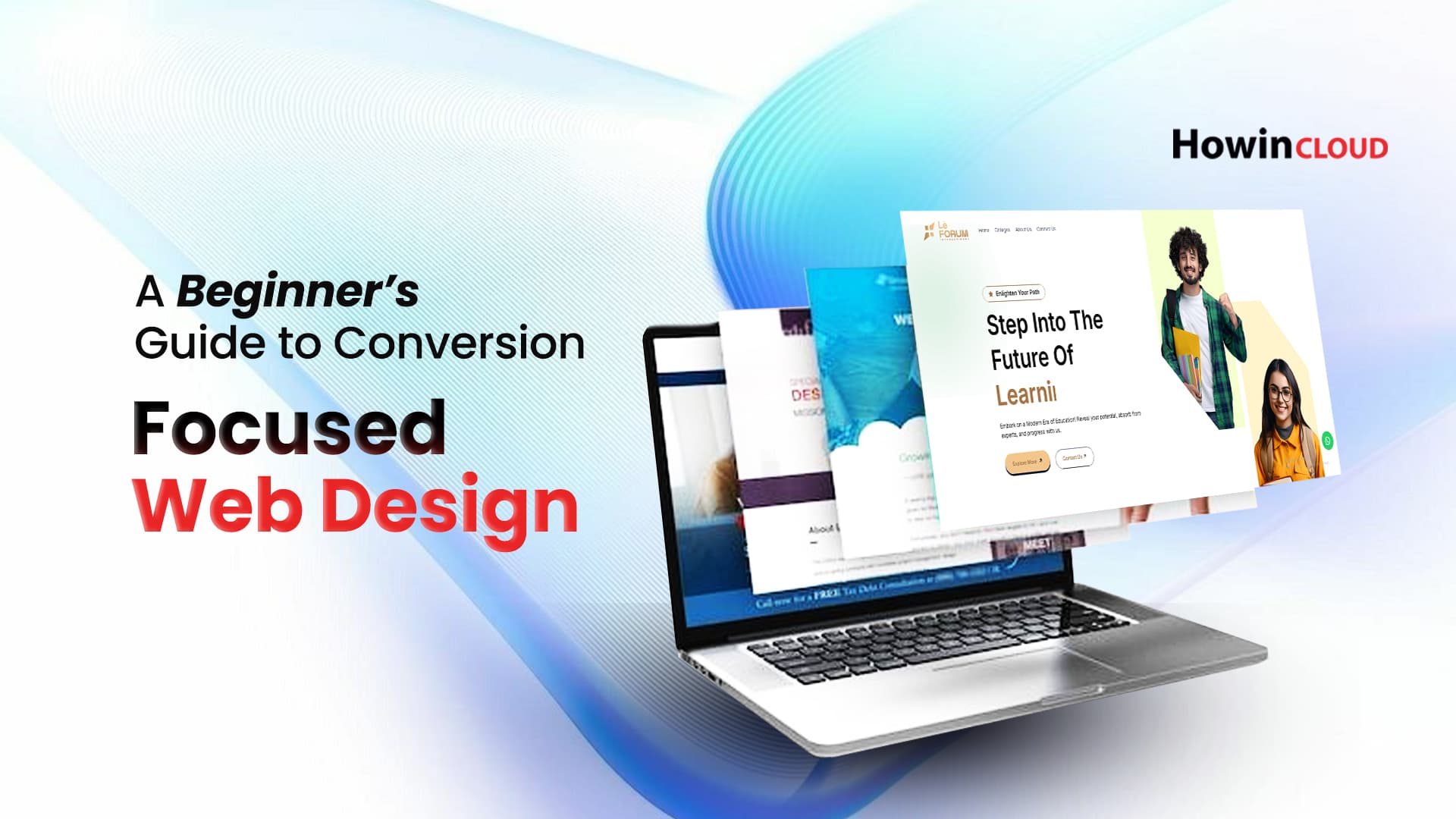
In today’s digital world, your website is often the first interaction a potential customer has with your brand. But a good-looking website alone isn’t enough—it needs to convert. That means turning visitors into leads, customers, or subscribers. If y...
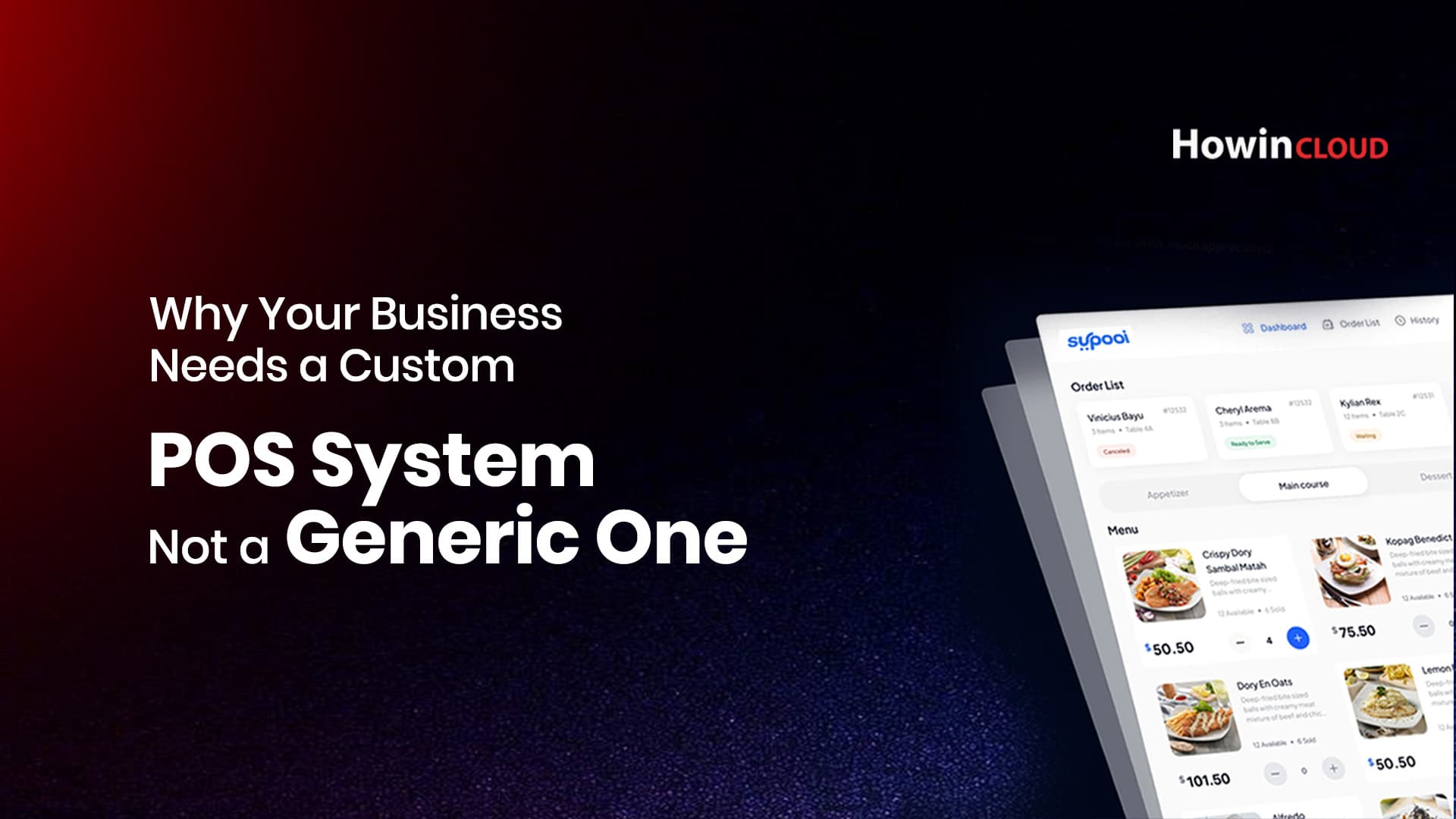
In today’s fast-paced digital world, Point of Sale (POS) systems are more than just billing tools — they are the backbone of operations for many businesses. From tracking inventory to managing customer relationships, the right POS system can make or ...
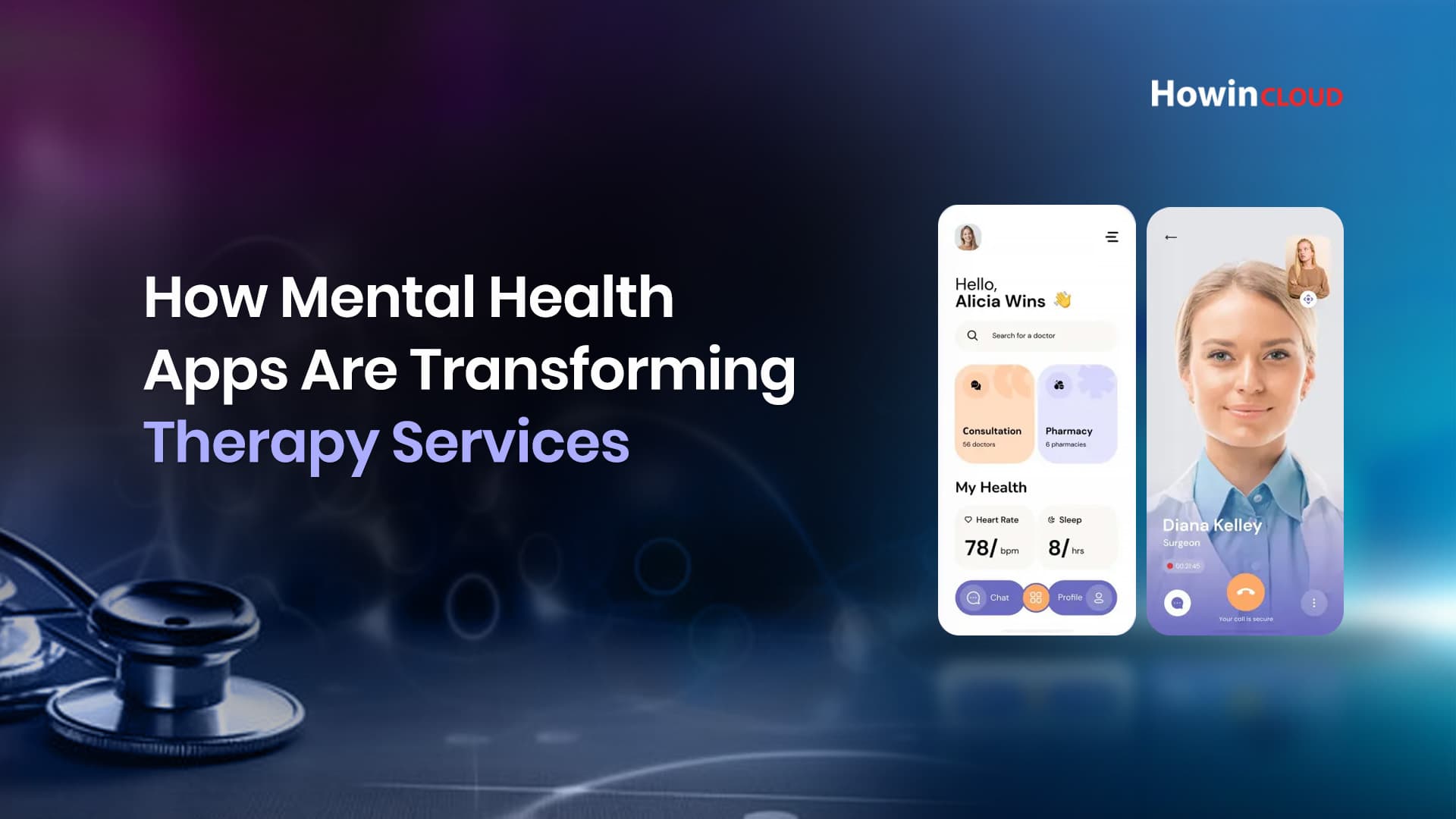
Mental health has gained significant attention in recent years, emphasizing the need for accessible and effective services. Traditional therapy methods, while effective, often face challenges such as accessibility, stigma, and high costs. This is where technology comes into play. A mental health app can bridge the gap between mental health professionals, therapy centers, and individuals seeking support.
To create a successful mental health app, it is crucial to integrate features that cater to both professionals and users. Some essential components include:
Secure Video & Audio Consultations
Enables professionals to conduct virtual therapy sessions.
Provides privacy-focused, HIPAA-compliant communication.
Appointment Scheduling & Reminders
Allows users to book sessions with therapists.
Sends reminders to reduce no-shows.
AI-Powered Chatbots for Immediate Support
Offers 24/7 assistance for users in distress.
Can provide self-help tips and guide users to appropriate resources.
Mood Tracking & Journaling
Helps users track their mental health progress.
Enables therapists to analyze patterns and suggest better interventions.
Educational Content & Self-Help Resources
Provides access to articles, guided meditations, and cognitive exercises.
Enhances user engagement and self-improvement.
Community Support & Peer Groups
Creates a safe space for users to connect and share experiences.
Encourages mutual support through moderated discussions.
Emergency Helplines & Crisis Support
Offers quick access to emergency mental health hotlines.
Ensures immediate assistance in case of severe distress.
A mental health app is not only beneficial for users but also offers numerous advantages for professionals and therapy centers:
Expands Reach: Professionals can provide services to clients beyond geographical boundaries.
Improves Efficiency: Automating scheduling, reminders, and documentation reduces administrative tasks.
Enhances Client Engagement: Digital tools like journaling and mood tracking improve therapy outcomes.
Increases Revenue Streams: Subscription models and online consultations can generate additional income.
While developing an app for mental health services, certain challenges need to be addressed:
Privacy & Data Security: Implement end-to-end encryption and comply with HIPAA/GDPR regulations.
User Engagement: Regular updates, gamification, and AI-driven personalization enhance user retention.
Therapist Availability: AI-driven chatbots and on-demand professional support can balance service demand.
Accessibility & Inclusivity: Ensure the app is user-friendly for people of all abilities and backgrounds.
Building an app for mental health services can revolutionize the way therapy centers and professionals connect with clients. By integrating essential features, addressing key challenges, and ensuring data privacy, such an app can make mental health care more accessible, effective, and stigma-free.
The future of mental health lies in digital innovation—let’s embrace it to create a healthier, more connected world.