

A Beginner’s Guide to Conversion-Focused Web Design
H
Find Your True Space
Search for a command to run...
Find Your True Space
No comments yet. Be the first to comment.
In today’s fast-paced digital world, businesses are expected to operate faster, smarter, and more efficiently than ever before. From reducing human error to streamlining workflows, automation has become the backbone of modern enterprises. As we move ...
In 2025, the difference between brands that thrive and those that merely survive comes down to one essential factor—who builds your technology. And no, we’re not talking about hiring a freelance developer or buying a plug-and-play solution. We’re tal...

Launching your website or app is just the beginning. While development gets you online, it’s digital marketing that gets you noticed, trusted, and chosen. At HowinCloud, we believe that launching a platform is step one—growing it is the real mission....
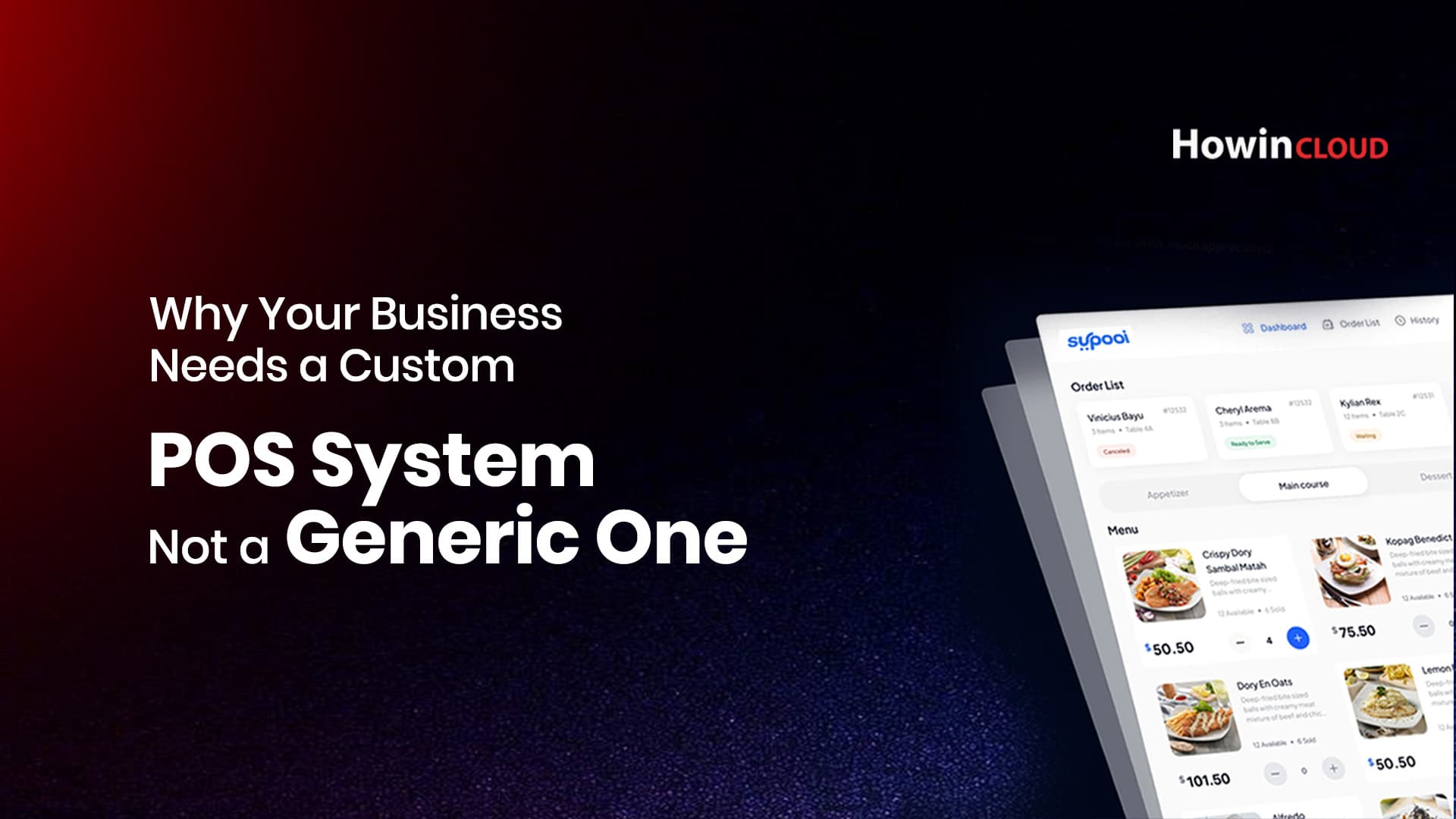
In today’s fast-paced digital world, Point of Sale (POS) systems are more than just billing tools — they are the backbone of operations for many businesses. From tracking inventory to managing customer relationships, the right POS system can make or ...
In today’s digital world, your website is often the first interaction a potential customer has with your brand. But a good-looking website alone isn’t enough—it needs to convert. That means turning visitors into leads, customers, or subscribers.
If you’re new to this concept, don’t worry. This guide will walk you through the key elements of conversion-focused web design and how to implement them effectively.
Conversion-focused web design is a design strategy that prioritizes user experience (UX) and strategic elements to encourage visitors to take specific actions, such as making a purchase, filling out a form, or subscribing to a newsletter.
Instead of just looking good, a conversion-focused website is built to achieve business goals.
Maximizes ROI: Your website becomes a 24/7 sales tool.
Improves User Experience: Simplified navigation and clear messaging enable users to find what they want more quickly.
Boosts Trust: Clear CTAs and social proof increase brand credibility.
Supports Marketing Goals: Whether it’s lead generation or sales, every page plays a role.
Your headline is the first thing visitors read. Make it relevant, value-driven, and tailored to their needs.
Tip: Highlight what problem you solve or what benefit users will get.
A CTA is a prompt that encourages action, like “Buy Now,” “Get Started,” or “Schedule a Demo.”
Best Practices:
Keep it action-oriented.
Place it above the fold and repeat where necessary.
Use contrasting colors to draw attention.
Don’t make visitors think. Your navigation should be intuitive, with clear menus and minimal clicks to key pages.
Tip: Stick to 5-7 main menu items to avoid overwhelm.
More than 60% of traffic comes from mobile. If your site isn’t optimized for smartphones and tablets, you’re losing potential conversions.
Tip: Test your website on multiple devices and browsers.
A 1-second delay can reduce conversions by up to 7%. Speed is crucial for retaining attention.
Quick Wins:
Compress images
Use efficient hosting
Minimize unnecessary scripts
People trust people. Add reviews, testimonials, case studies, or trust badges to validate your offering.
Examples:
Client logos
“As Seen In” media mentions
Real customer testimonials
Whether it’s a contact form or lead magnet signup, keep forms short and user-friendly.
Tip: Ask only for necessary information — name, email, and one more field is often enough.
Focus your copywriting on how you help, not just what you do. Use benefit-driven language instead of features alone.
Before: “We offer SEO services.”
After: “Get found by your ideal customers on Google.”
Use size, color, spacing, and placement to guide the user’s eye toward important content or actions.
Elements to Focus On:
Headlines
CTAs
Key benefits
Forms or offers
A conversion-focused site is never truly finished. Use tools like Google Analytics or Hotjar to track behavior and run A/B tests to optimize performance.
Conversion-focused web design is not about flashy animations or the latest trends. It’s about designing with purpose—aligning every visual, piece of content, and interaction to guide users toward action.
Whether you’re building a new website or revamping an old one, start with the user in mind and your business goal at the center. Small changes can lead to big results.