

Smart Business Automation: Tools We Recommend in 2025
H
Find Your True Space
Search for a command to run...
Find Your True Space
No comments yet. Be the first to comment.
In 2025, the difference between brands that thrive and those that merely survive comes down to one essential factor—who builds your technology. And no, we’re not talking about hiring a freelance developer or buying a plug-and-play solution. We’re tal...

Launching your website or app is just the beginning. While development gets you online, it’s digital marketing that gets you noticed, trusted, and chosen. At HowinCloud, we believe that launching a platform is step one—growing it is the real mission....
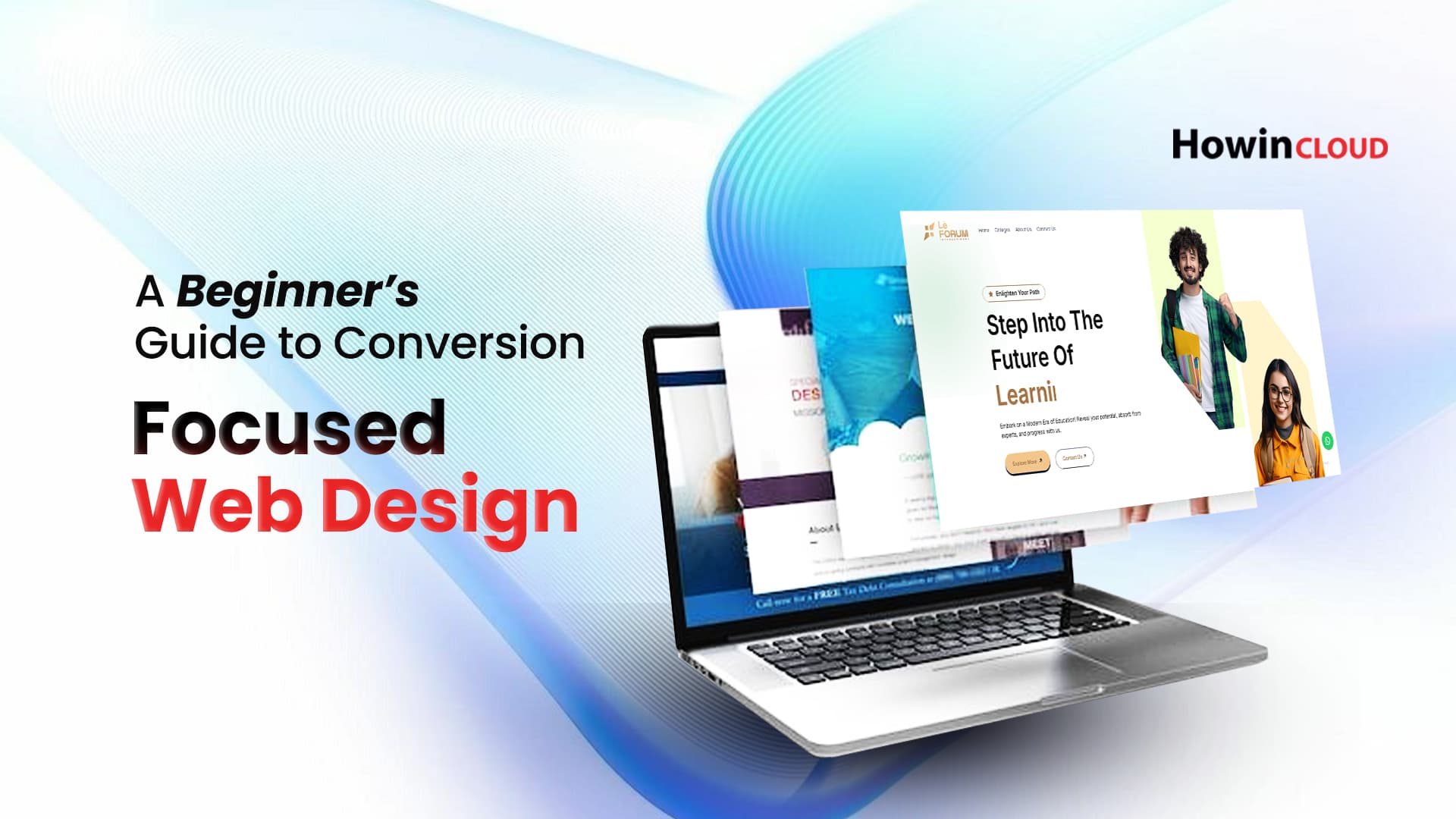
In today’s digital world, your website is often the first interaction a potential customer has with your brand. But a good-looking website alone isn’t enough—it needs to convert. That means turning visitors into leads, customers, or subscribers. If y...
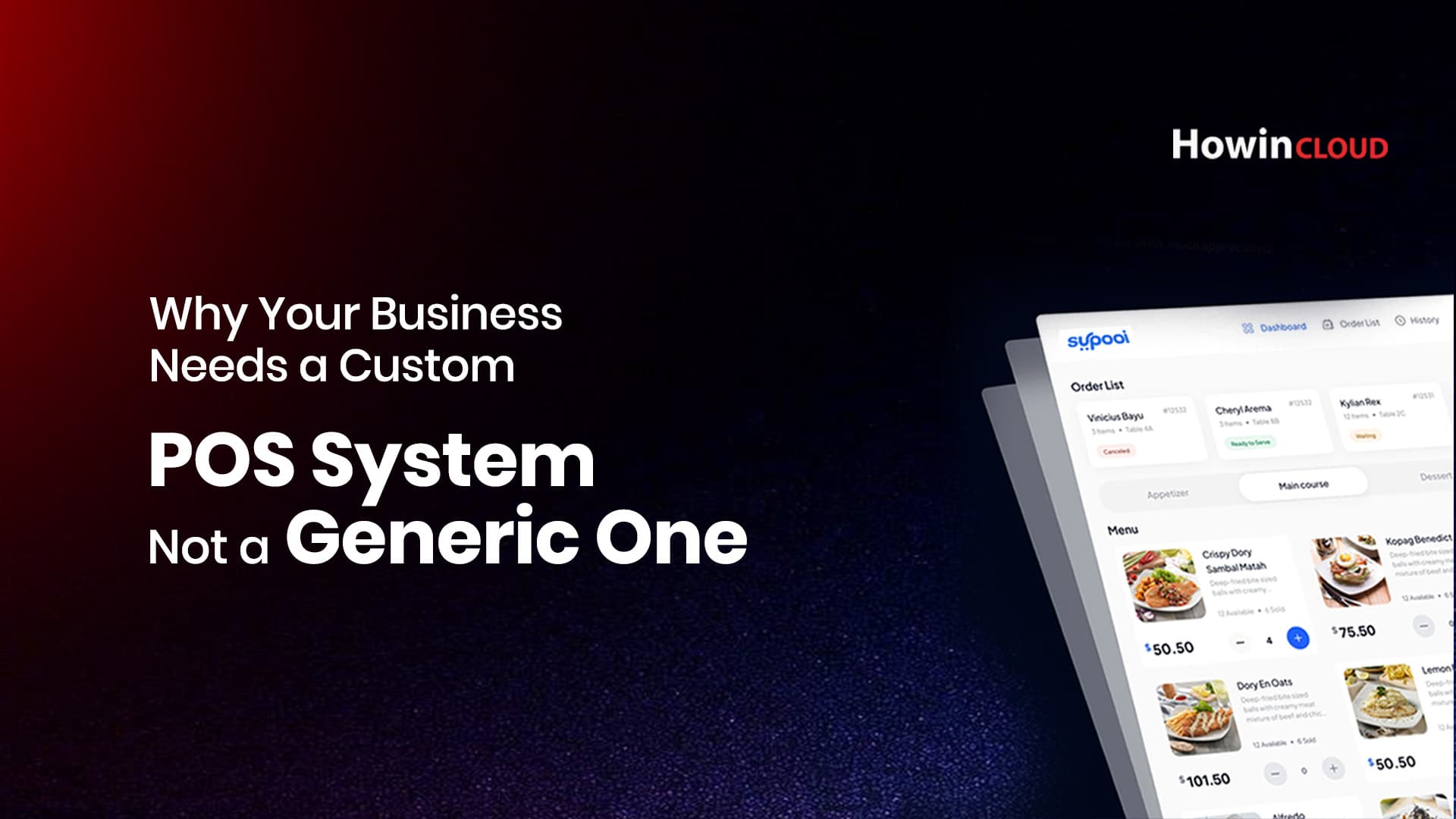
In today’s fast-paced digital world, Point of Sale (POS) systems are more than just billing tools — they are the backbone of operations for many businesses. From tracking inventory to managing customer relationships, the right POS system can make or ...
In today’s fast-paced digital world, businesses are expected to operate faster, smarter, and more efficiently than ever before. From reducing human error to streamlining workflows, automation has become the backbone of modern enterprises. As we move through 2025, the range of automation tools available is smarter, more intuitive, and more powerful—making it easier for startups and enterprises alike to scale without stress.
So, whether you’re looking to save time, cut costs, or enhance customer experience, here’s our curated list of the top smart business automation tools we recommend in 2025.
Best for: Connecting multiple apps and automating repetitive tasks.
Why we recommend it:
Zapier remains a dominant force in 2025 as a go-to automation platform. It connects over 6,000 apps and helps businesses automate tasks without any coding. Whether it’s sending a Slack notification when you get a new lead or syncing your CRM with your marketing tools, Zapier saves hours of manual work.
Use Cases:
Auto-send emails after form submissions.
Sync Google Sheets with CRMs.
Auto-create Trello cards from customer support tickets.
Best for: Complex workflows with conditions, filters, and branches.
Why we recommend it:
For businesses that need more control and deeper integrations, Make offers a visual approach to automation with drag-and-drop logic. It’s perfect for automating internal systems or cross-platform processes.
Use Cases:
Automating order processing across multiple e-commerce platforms.
Creating detailed multi-step approval workflows.
Integrating tools that don’t natively connect.
Best for: Productivity, knowledge management, and team collaboration.
Why we recommend it:
Notion AI is revolutionizing the way teams document, plan, and collaborate. With built-in AI tools, it now assists with summarizing notes, writing reports, brainstorming ideas, and creating project plans automatically.
Use Cases:
Summarize meeting notes instantly.
Generate to-do lists from project outlines.
Brainstorm marketing ideas with AI help.
Best for: Customer Relationship Management (CRM) and inbound marketing automation.
Why we recommend it:
HubSpot’s all-in-one platform offers robust automation features in CRM, email marketing, sales, and customer service. With AI-powered personalization and predictive lead scoring in 2025, HubSpot makes customer engagement smarter and easier.
Use Cases:
Auto-send emails based on user behavior.
Create dynamic landing pages and chatbots.
Nurture leads with personalized content.
Best for: Customer support, content creation, and internal task handling.
Why we recommend it:
AI tools like ChatGPT are now being used for much more than just conversation. Businesses are integrating AI assistants to handle FAQs, write content, automate reports, and even brainstorm ideas with teams.
Use Cases:
Auto-respond to customer queries with smart bots.
Generate SEO blog articles and social media posts.
Convert meetings into action items.
Best for: Teams that need project management and workflow automation in one.
Why we recommend it:
ClickUp is not just a project management tool anymore. Its built-in automations in 2025 allow you to automate status updates, reminders, and task assignments — all while keeping your team aligned in one dashboard.
Use Cases:
Automatically assign tasks based on status changes.
Set up deadline-based alerts.
Track performance metrics with custom dashboards.
Best for: Online stores running on Shopify.
Why we recommend it:
Shopify Flow allows store owners to create workflows that automate everything from inventory alerts to customer segmentation. In 2025, its AI capabilities will allow predictive recommendations based on user behavior.
Use Cases:
Notify the warehouse team when stock runs low.
Tag VIP customers based on purchase history.
Trigger loyalty rewards after specific actions.
Best for: Workflow automation and approval systems.
Why we recommend it:
Tallyfy turns your SOPs (Standard Operating Procedures) into automated flows. It’s ideal for onboarding, document approvals, and compliance-related processes.
Use Cases:
Automate employee onboarding steps.
Send tasks and reminders to departments based on rules.
Ensure SOP compliance automatically.
Best for: Accounting and financial workflow automation.
Why we recommend it:
QuickBooks now integrates with banks, payroll services, and tax tools to automate bookkeeping. It helps business owners track expenses, generate invoices, and run reports — all with minimal manual input.
Use Cases:
Auto-categorize transactions.
Schedule recurring invoices.
Sync financial data with your CRM.
Best for: Small businesses needing affordable integrations.
Why we recommend it:
Pabbly is a rising star in 2025. It offers many of the same features as Zapier but at a much lower cost, making it ideal for startups or solo entrepreneurs.
Use Cases:
Sync contact data between email platforms.
Post social updates automatically.
Connect eCommerce tools with shipping services.
Business automation in 2025 isn’t about replacing humans—it’s about empowering them. With the right tools, you can reduce repetitive work, boost productivity, and scale your operations with ease.
Whether you’re a small business owner or a growing enterprise, start by automating one key area and build from there. These tools can be game-changers—not just in terms of efficiency, but also in how you experience and grow your business.