

Developing an App for the Fashion Industry: Empowering Brands and Retailers
H
Find Your True Space
Search for a command to run...
Find Your True Space
No comments yet. Be the first to comment.
In today’s fast-paced digital world, businesses are expected to operate faster, smarter, and more efficiently than ever before. From reducing human error to streamlining workflows, automation has become the backbone of modern enterprises. As we move ...

In 2025, the difference between brands that thrive and those that merely survive comes down to one essential factor—who builds your technology. And no, we’re not talking about hiring a freelance developer or buying a plug-and-play solution. We’re tal...

Launching your website or app is just the beginning. While development gets you online, it’s digital marketing that gets you noticed, trusted, and chosen. At HowinCloud, we believe that launching a platform is step one—growing it is the real mission....
In today’s digital world, your website is often the first interaction a potential customer has with your brand. But a good-looking website alone isn’t enough—it needs to convert. That means turning visitors into leads, customers, or subscribers. If y...
In today’s fast-paced digital world, Point of Sale (POS) systems are more than just billing tools — they are the backbone of operations for many businesses. From tracking inventory to managing customer relationships, the right POS system can make or ...
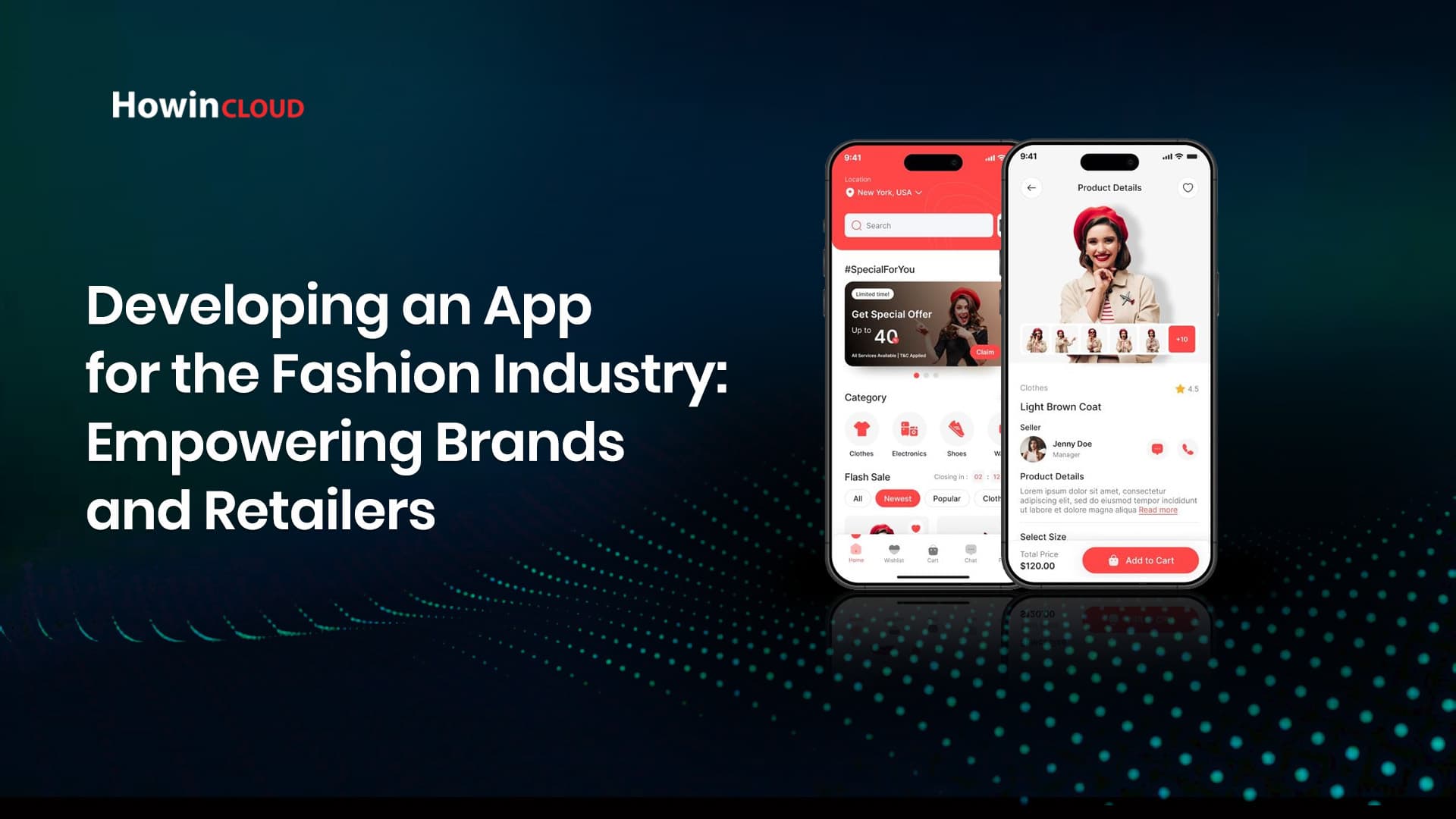
In the dynamic and fast-evolving world of fashion, technology is reshaping how brands and retailers operate, engage with customers, and scale their businesses. Mobile apps, in particular, have become indispensable tools for fashion brands and clothing retailers, enabling them to streamline operations, offer personalized shopping experiences, and maintain a competitive edge. If you’re considering developing an app for the fashion industry, this guide will walk you through the essential features, benefits, and development process.
In the digital age, customers demand convenience, personalization, and seamless shopping experiences. Apps meet these needs by offering:
• Instant access to products
• Personalized recommendations
• Easy checkout options
A dedicated mobile app ensures that a fashion brand stays top-of-mind for customers, with frequent interactions through push notifications, promotions, and in-app content.
Apps break geographical barriers, allowing fashion retailers to connect with customers across the globe.
Mobile apps allow brands to track user behavior, preferences, and trends, enabling them to make informed decisions about inventory, marketing, and design.
When designing an app for fashion brands or clothing retailers, focus on these essential features to deliver a superior user experience:
• Simple navigation
• A visually appealing design that mirrors the brand’s identity
• Responsive layouts for all screen sizes
• High-quality images with zoom functionality
• Detailed product descriptions and size guides
• Virtual try-on options using augmented reality (AR)
• AI-powered recommendations based on browsing history
• Curated collections tailored to user preferences
• Multiple payment options (credit cards, digital wallets, BNPL)
• Secure payment gateways
• One-click checkout for returning users
• Push notifications for new arrivals, discounts, and flash sales
• Stock availability updates
• Order tracking and delivery notifications
• Reward points for purchases
• Exclusive discounts for app users
• Early access to sales and collections
• Share outfits on social media directly from the app
• Social proof through user-generated content and reviews
• Search by category, color, size, or price
• Visual search using uploaded images
• Transparency about sourcing and production
• Eco-friendly product tagging
Identify the purpose of the app. Is it to increase sales, build brand loyalty, or provide a new shopping channel?
Understand your target audience, their shopping habits, and preferences. Analyze competitors to identify gaps in the market.
Decide between a native app (built for specific platforms like iOS or Android), a hybrid app (cross-platform), or a progressive web app (PWA).
Collaborate with experienced app developers who understand the fashion industry and user experience design.
Create wireframes and prototypes to visualize the app’s interface, ensuring it aligns with your brand and user expectations.
Develop the backend infrastructure, integrate necessary APIs (e.g., payment gateways, AR tools), and ensure the app performs smoothly under high traffic.
Conduct rigorous testing for usability, security, and performance to ensure a flawless user experience.
Promote your app through social media, email campaigns, and partnerships with influencers. Encourage existing customers to download and use the app.
Monitor user reviews and app analytics to identify areas for improvement and roll out updates regularly.
• Simplified shopping leads to higher conversion rates.
• Cross-selling and upselling opportunities through AI recommendations.
• Direct communication via push notifications and in-app messages.
• Personalized experiences create deeper connections with customers.
• Real-time tracking of stock helps reduce overstocking or understocking.
• Exclusive app features like loyalty programs and member-only sales keep customers coming back.
• An app differentiates your brand from competitors still relying solely on traditional e-commerce.
AR features like virtual try-ons and in-store navigation enhance the shopping experience.
AI-driven chatbots and virtual stylists provide personalized outfit suggestions and styling advice.
Blockchain technology can authenticate product origins, building trust among eco-conscious shoppers.
Voice-activated search and commands make navigation more convenient.
Developing a mobile app for the fashion industry is more than a trend—it’s a necessity for brands and retailers aiming to thrive in the digital-first world. A well-designed app doesn’t just sell clothes; it tells your brand’s story, builds relationships, and creates a seamless shopping experience that keeps customers coming back. With the right features and a customer-centric approach, your app can become a cornerstone of your business strategy, setting your brand apart in a crowded market.