
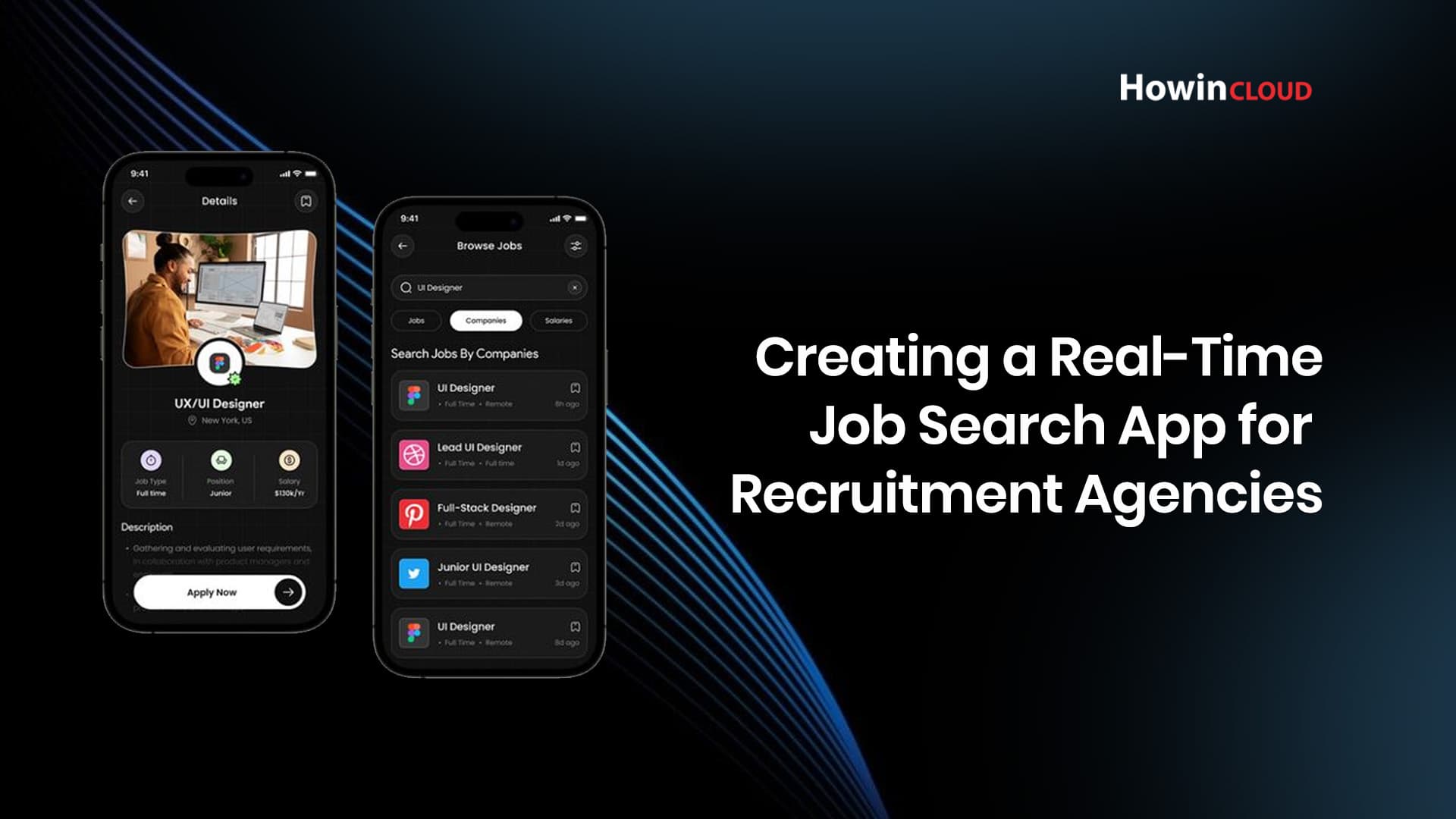
Creating a Real-Time Job Search App for Recruitment Agencies
Find Your True Space
In the fast-evolving job market, recruitment agencies must adopt innovative strategies to connect job seekers with opportunities effectively. A real-time job search app can revolutionize the recruitment process by making it more efficient, responsive, and user-friendly. Here’s a comprehensive guide on creating such an app tailored for recruitment agencies and job boards.
Why Build a Real-Time Job Search App?
1. Bridging Gaps Between Job Seekers and Employers
The modern workforce demands instant access to job opportunities and updates. Real-time job search apps reduce delays in communication, ensuring both employers and job seekers are always in sync.
2. Enhancing User Engagement
Interactive features like instant notifications, application tracking, and live job postings keep users engaged, making them more likely to use the app regularly.
3. Competitive Edge
With a real-time job search app, recruitment agencies can differentiate themselves in a crowded market, offering unmatched speed and convenience.
Essential Features for a Real-Time Job Search App
For Job Seekers
1. Personalized Job Recommendations
• Leverage AI and machine learning to suggest jobs based on user preferences, skills, and location.
2. Real-Time Notifications
• Instant updates on job openings, application status, and interviews.
3. Advanced Search and Filter Options
• Allow users to filter jobs by industry, salary, experience level, and remote work options.
4. Resume Builder
• Provide tools for creating, uploading, and editing resumes directly within the app.
5. Application Tracker
• Enable users to monitor the status of their job applications in real-time.
For Recruiters and Agencies
1. Live Job Posting
• Allow recruiters to post job openings instantly and make real-time updates.
2. Candidate Shortlisting
• Include AI-powered shortlisting features to filter applicants based on skills and experience.
3. Real-Time Chat
• Facilitate direct communication between recruiters and candidates for quick clarifications or interview scheduling.
4. Analytics Dashboard
• Provide insights into job posting performance, candidate engagement, and hiring trends.
Cross-Functional Features
1. Seamless Integration
• Integrate with popular job boards, ATS (Applicant Tracking Systems), and social media platforms for wider reach.
2. Geolocation
• Include features to show job opportunities nearby, leveraging GPS.
3. Push Notifications
• Alert users about relevant updates, new openings, or reminders for upcoming interviews.
4. User Authentication
• Secure the app with OTP-based login, social media integration, or biometric authentication.
5. Feedback and Reviews
• Allow users to rate and review their job application experience.
Technology Stack for Real-Time Job Search App
Frontend Development
• Frameworks: React Native or Flutter for cross-platform development.
• Languages: JavaScript, Dart, Swift, or Kotlin for platform-specific apps.
Backend Development
• Frameworks: Node.js, Django, or Ruby on Rails.
• Database: PostgreSQL or MongoDB for dynamic job data storage.
• Real-Time Engine: Firebase or WebSocket for instant updates.
Cloud and Hosting
• Platforms: AWS, Google Cloud, or Microsoft Azure.
• CDN: Cloudflare or Akamai for faster content delivery.
Steps to Build the App
1. Market Research and Planning
• Understand the target audience, competitor offerings, and unique selling points.
2. Designing the User Experience
• Create a user-friendly interface with intuitive navigation for job seekers and recruiters.
3. Development
• Follow an agile methodology for iterative development, ensuring timely feedback and improvements.
4. Testing
• Conduct rigorous testing for performance, security, and compatibility across devices.
5. Launch and Marketing
• Promote the app through recruitment agencies, social media, and targeted campaigns.
6. Post-Launch Support
• Regularly update the app with new features, bug fixes, and performance enhancements.
Challenges and Solutions
1. Challenge: Handling High User Traffic
Solution: Use scalable cloud infrastructure and load balancing techniques.
2. Challenge: Ensuring Data Security
Solution: Implement SSL encryption, secure APIs, and compliance with GDPR or other regulations.
3. Challenge: Maintaining Engagement
Solution: Regularly introduce features like career tips, industry news, and gamified elements.
Monetization Strategies
1. Premium Subscriptions
• Offer advanced features like priority listings or detailed analytics for a subscription fee.
2. Freemium Model
• Provide basic functionality for free and charge for advanced tools like AI recommendations or resume feedback.
3. Job Posting Fees
• Charge recruiters for posting jobs or highlighting openings.
4. Advertisements
• Display relevant ads for job-related services like skill enhancement courses or career counseling.
Conclusion
A real-time job search app tailored for recruitment agencies and job boards can transform how employers and job seekers connect. By integrating advanced technologies, focusing on user experience, and addressing market demands, your app can become a go-to platform in the recruitment industry.