
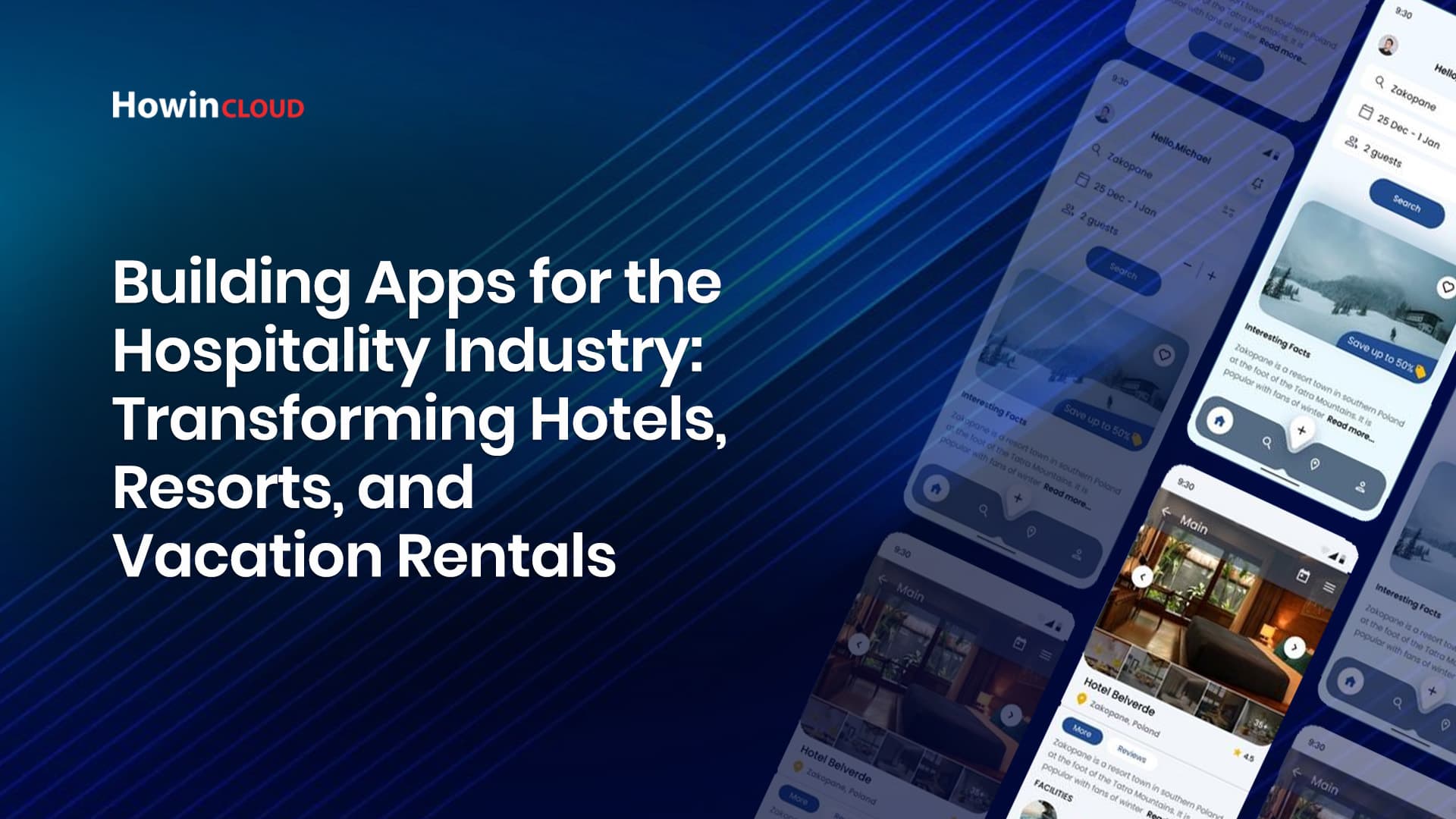
Building Apps for the Hospitality Industry: Transforming Hotels, Resorts, and Vacation Rentals
Find Your True Space
The hospitality industry has embraced digital transformation, with apps becoming an integral part of enhancing guest experiences, streamlining operations, and driving revenue growth. Hotels, resorts, and vacation rentals are increasingly leveraging mobile apps to provide seamless services and build stronger connections with their guests. Here’s an in-depth look at the potential of apps in this sector, their essential features, and tips for developing successful hospitality apps.
Why Mobile Apps are Crucial for the Hospitality Industry
1. Enhanced Guest Experience
Apps enable hotels and resorts to offer personalized and convenient services. From pre-arrival check-ins to room service requests via a mobile app, guests can enjoy a hassle-free stay tailored to their preferences.
2. Increased Operational Efficiency
Hospitality apps streamline internal operations by automating processes like room bookings, housekeeping requests, and payment handling. This reduces the workload for staff and minimizes errors.
3. Direct Engagement and Upselling
With push notifications and in-app promotions, businesses can directly communicate with guests. Hotels can upsell services like spa packages, guided tours, or special dining offers, boosting revenue.
4. Real-Time Feedback and Reviews
Apps make it easy for guests to share feedback during or after their stay. Prompt responses to reviews foster trust and allow businesses to address issues swiftly.
Key Features for Hospitality Apps
1. Booking and Reservation System
A seamless booking feature with real-time availability, room options, and secure payment gateways is a must. Integration with third-party booking platforms can also expand reach.
2. Check-In and Check-Out
Contactless check-in and check-out options save time for guests and staff, especially in the post-pandemic era where safety is paramount.
3. Digital Concierge Services
Offer virtual concierge services, such as recommendations for local attractions, dining options, and transportation.
4. In-Room Controls
Apps can connect to IoT devices, allowing guests to control room lighting, temperature, TV, and more directly from their smartphones.
5. Personalized Recommendations
Using AI and analytics, apps can suggest personalized offers based on guest preferences, previous stays, or browsing behavior.
6. Loyalty Programs
Reward returning guests with points, discounts, or exclusive deals through a loyalty program integrated into the app.
7. Multi-Language and Currency Support
Cater to international travelers with support for multiple languages and currencies, enhancing accessibility.
8. Emergency and Support Services
Include a feature for guests to contact support or emergency services directly within the app for added safety and convenience.
Steps to Build a Successful Hospitality App
1. Understand Guest Needs
Conduct surveys, interviews, and research to identify the pain points of your target audience. Address these needs with innovative app features.
2. Focus on User Experience (UX)
The app should be intuitive, fast, and visually appealing. Easy navigation and responsive design for all devices are essential.
3. Prioritize Data Security
Guests share sensitive data like credit card information and personal details. Implement robust security measures, including encryption and compliance with data protection regulations.
4. Integrate With Existing Systems
Ensure the app integrates seamlessly with Property Management Systems (PMS), Customer Relationship Management (CRM) tools, and other back-end systems.
5. Test Extensively
Conduct rigorous testing to identify and fix bugs, optimize performance, and ensure compatibility with various devices and operating systems.
Benefits of Apps for Hotels, Resorts, and Vacation Rentals
1. Boosted Revenue
By enabling upselling and cross-selling opportunities, apps help hospitality businesses increase their bottom line.
2. Strengthened Guest Loyalty
An exceptional app experience keeps guests coming back, fostering long-term relationships and brand advocacy.
3. Data-Driven Decisions
Apps collect valuable data on guest behavior, enabling businesses to refine their offerings and marketing strategies.
4. Competitive Edge
A well-designed app sets your hotel or vacation rental apart from competitors who may not yet offer such digital conveniences.
Future Trends in Hospitality Apps
1. AI-Powered Virtual Assistants: Apps with integrated AI chatbots to handle queries and bookings in real time.
2. Augmented Reality (AR): AR features for virtual room tours and exploring local attractions.
3. Blockchain for Payments: Secure and transparent payment options using blockchain technology.
4. Green Features: Apps promoting eco-friendly practices, such as paperless check-ins and energy-saving controls.
Conclusion
Mobile apps are no longer optional in the hospitality industry—they are vital tools for staying competitive, improving guest satisfaction, and optimizing operations. Whether you’re a boutique hotel, a luxury resort, or a vacation rental owner, investing in a well-thought-out app can revolutionize your business. By focusing on user-centric features, leveraging modern technologies, and prioritizing data security, you can create an app that meets guest expectations and drives lasting success.